Table Of Content
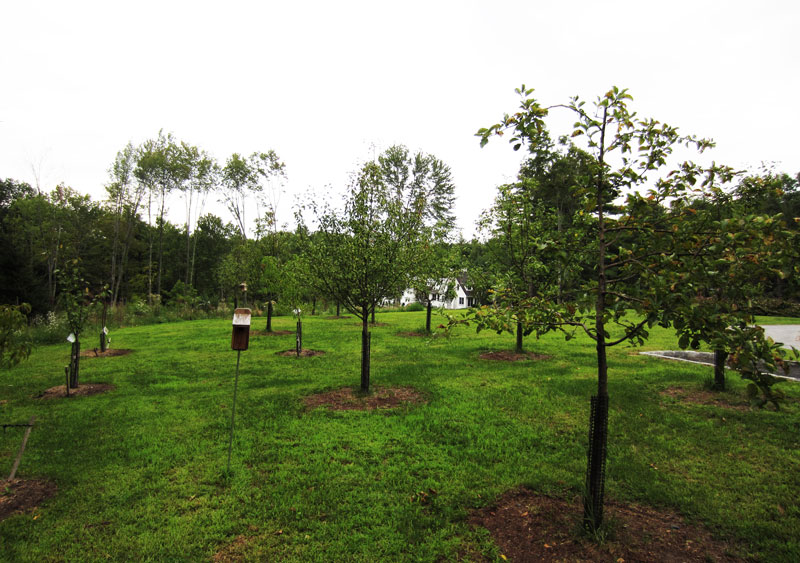
No matter how good your planning and planting techniques, one thing is certain – trees and bushes want to grow, and to keep them in check they need pruning. Deciduous trees are normally pruned in winter, when they’re dormant, because this results in less stress to the tree and promotes vigorous new growth come springtime. Plus, there are hundreds of apple varieties to choose from, so you can pick ones that suit your tastes.
Find Out What Varieties Will Grow in your Climate
Eisenhower Farm Orchard (U.S - National Park Service
Eisenhower Farm Orchard (U.S.
Posted: Wed, 23 Aug 2023 07:00:00 GMT [source]
I hope this has given you some ideas for ways to fit more fruit into your edible garden. If you have any other ideas or tips on how to grow more in a limited space, please do let us know about it by dropping us a comment below. The location of your orchard will directly affect the success of the trees and the quality of the fruit produced. When choosing a site, look for a location with good drainage, plenty of sunlight, and protection from the wind. This is especially the case with larger trees which can develop root rock. This can often be resolved by building good walls or fences around the orchard in the traditional fashion.
Attach Steel Tree Guides to Protect Trees & Branches
Your nursery should provide spacing guides for each type of tree, which largely depends on their rootstock. Keep in mind that it’s fine to go further apart, but that you’ll run into problems (especially regarding the tree roots) if you attempt to pack them in too close together. Think ahead and plan the number of each species and variety so you can provide fresh berries for your family and make berry preserves for the winter.
Orchard Trellis Systems
Training fruit against a wall or fence can help to further restrict the size of the tree. Apples and pears can be trained as fans or espaliers, but make sure to choose spur-bearing varieties of apples as opposed to tip-bearers. Plums, peaches, cherries, nectarines and apricots can all be grown as fans.

Prepare potting soil mixture
A rooting depth of 3 ft., loam soil, and a daily water use (ET) of 0.25 in/day in July. Some old trees have arisen from seed or as suckers from the rootstock or root system below the graft union. With few exceptions, these trees are typically inferior to named varieties and do not justify your efforts, especially if your reason is fruit production. Packing more fruit into the space you have available means thinking beyond the traditional. Forget block planting at wide spacings – instead, incorporate your fruiting plants into your overall garden design.
Know Your Homestead Orchard Conditions
So think about it, if you want to start a permaculture orchard, you could plant a nursery ahead of time by using a 10ftx10ft (3mx3m) spot in your backyard. Plan now, gather your mother plants from which you can take cuttings or scions for grafting, contact people in your area doing similar projects, and learn from them. You could grow just below 1000 trees in that small area (If you have trees in each of the pots, you should yield 900 trees).
Grab a copy of my Orchard Design Guide to take the first step and map out the orchard layout. Of course, this is just the beginning of what we’ll consider as we plan the new orchard, but having the answers to these first questions is a great start. Husband-extraordinaire and I have our individual favorites, so we’re each going to sketch out two orchard plans each. Do your research beforehand to find the best nurseries in your area, and don't be afraid to ask for recommendations from other homesteaders or local gardening groups. This lightweight netting is designed to protect fruits and berries from damage. Having a map with you and aiming to be on site around midday will help you to determine where south is, and how sunny the site is when the sun is at its highest point.
This requires a lot of water in a state where the days are hot and dry. All fruit trees grown for high production have green succulent growth. If the amount of leaves covering an area is the same then the species or variety of tree does not make much difference. The layout of your orchard is one of the most important factors to consider, as it can affect fruit quality, disease and pest control, harvesting, and overall orchard maintenance. In this blog post, we will provide tips for planning and planting the perfect homestead orchard layout for your needs. Before establishing a new orchard block, it is important to carefully assess all the factors that will ultimately affect fruit quality and orchard sustainability.
Climate and Growing Conditions
The spacing between trees not only affects their growth and development, but also impacts the overall health and productivity of the orchard. The V-shaped or horseshoe layout is another popular choice for fruit tree orchards. This layout involves planting the trees in a V-shaped or horseshoe-shaped pattern, with the widest part of the V or horseshoe facing the entrance or main viewing area. The V-shaped layout provides a clear line of sight, allowing for easy observation and management of the trees. This layout is often used in larger orchards or commercial settings, where efficient management and aesthetics go hand in hand.
How to Grow Fruit Trees in Small Spaces - Permaculture Magazine
How to Grow Fruit Trees in Small Spaces.
Posted: Wed, 13 Jul 2022 08:16:01 GMT [source]
Another important consideration — and the one responsible for the best dreams — is to analyze what you’re hoping to get from your fruit trees. All these desires suggest specific varieties of the fruits you intend to grow. Trees need large planting holes to be dug and must be staked when planted (often in the depths of winter). Above all fruit must be harvested and the produce that is collected has to be eaten, or storedfor later use. Many UK gardeners are planning garden orchards to provide them with a fruit harvest and attract wildlife to their garden.
An alternative to the traditional straight row planting is the practice of alternating tree rows or offset planting. This method involves staggering the placement of trees in a zigzag pattern, rather than planting them in a straight line. Hard as it may be, it’s a good idea to thin or even altogether remove any fruit that forms the first two years on your new trees. Growing fruit to full-size takes energy away from the tree that can be better put towards branch production for a better tree over time. Your nursery will likely provide you with a pruning guide upon purchase.
Some gardeners have reported success with ultra high-density planting. For instance, you could grow two to four plants inches (30-45cm) apart in the same planting hole. If you plan to use this technique choose trees grown on a similar rootstock so that very vigorous plants don’t bully more delicate ones. The trees will also need careful pruning to prevent them becoming congested in the centre.


No comments:
Post a Comment